The Hive’s systems change work brings together community voice, local services, education centres, and advocacy to shift the conditions that shape outcomes for children and families. Grounded in deep listening and place-based relationships, we work alongside residents and partners to identify barriers, test community-informed solutions, and influence systems and policies to embed our learnings. This holistic approach means The Hive works at multiple levels at once: strengthening communities, supporting families and children, building sector capability, and advocating for more equitable policies and services.
Our systems change approaches are across both our early years, and community development pillars. The approaches within the two streams are explained below:

We know that access to high-quality early education before starting school is recognised as a key protective factor for all children, but especially for children who are living in areas of social disadvantage. However, we know that the children who stand to benefit the most from early education and early intervention health services are often the least likely to access them due to a range of barriers. We also recognise the additional challenges facing Early Childhood Education & Care services who are operating in areas of disadvantage without adequate resourcing.
Through The Hive’s early learning incubators and initiatives, we have formed a deep understanding of the barrier’s families and ECECs are facing and solutions to overcome these.
Due to our decade of experience in testing what works, we compile our insights & recommendations and share these through our published papers, working alongside other advocates in the sector and sharing with government.

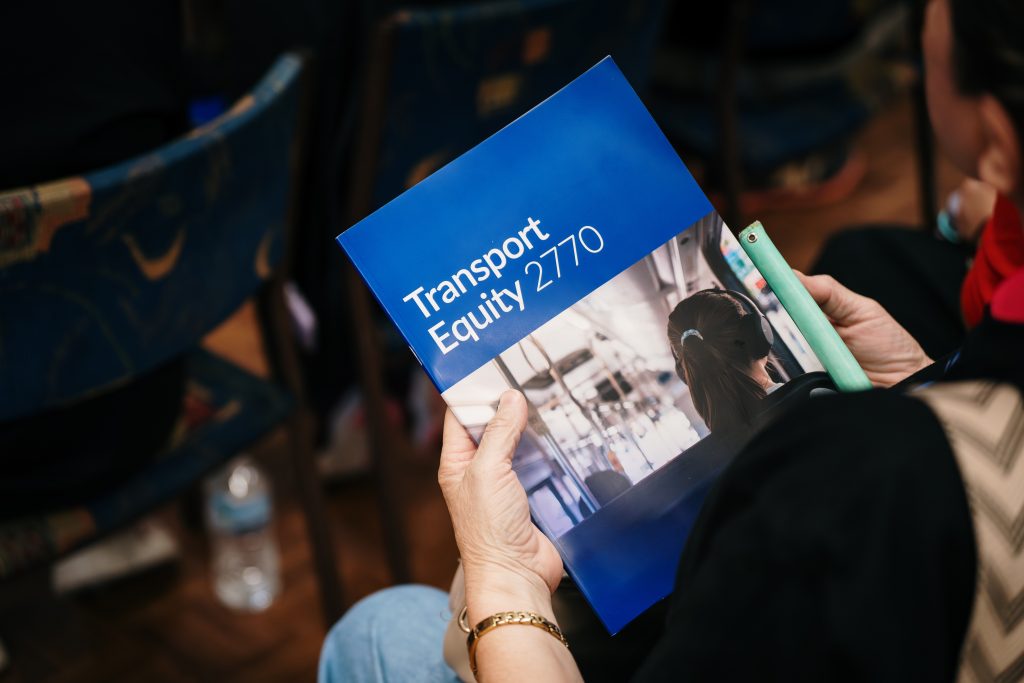
Entrenched disadvantage in places like Willmot, Lethbridge Park, Tregear and Bidwill is the outcome of decades of policy and infrastructure decisions that have left these communities behind. Transport is infrequent and unreliable, housing is unaffordable and often poorly maintained, and social infrastructure is inadequate. These are policy problems, and they demand policy and infrastructure solutions.
But here is the question that matters: if transport ran on time tomorrow, and if housing became genuinely liveable, would system change be accomplished?
We don’t believe so.
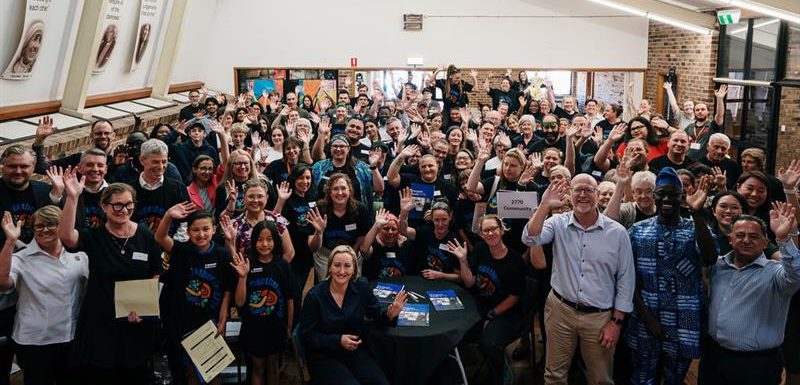
Structural fixes delivered into a community that has not itself been rebuilt – connected, organised and confident enough to name and pursue its own priorities – solve only half the problem. We believe that an empowered and connected community is the foundation upon which social and economic infrastructure can be shaped, owned and activated.
Infrastructure changes places. Community building changes who has the power to shape those places. Lasting systems change requires both.

Our 4 priority advocacy areas are:
Remove barriers for families to access birth certificates so they can more easily enrol in early education.
Abolish bonds for low-income families to increase access to early education through the removal of this upfront financial barrier.
Scale & integrate Linker roles into ECEC services and community locations to increase support to families in navigating complex, siloed systems.
Increase capacity building supports and resources for ECEC services in areas of social disadvantage to ensure equitable distribution of resources for centres with higher needs.